
Ants are among the most common pests in Southern California—and they’re not all the same. From nuisance invaders like odorous house ants to destructive species like carpenter ants, each has unique habits, nesting patterns, and risks for homeowners.
Talos Pest Control, helps homeowners accurately identify and eliminate ant infestations before they become major problems. In this guide, you’ll learn how to recognize the top 10 ant species in Southern California, what they mean for your home, and the most effective ways to get rid of them.
1. Argentine Ant (Linepithema humile)
Identification: Small (1/8 inch), light to dark brown, no stinger.
Habitat: Prefers moist environments near foundations, sprinklers, and kitchens.
Behavior: Forms massive colonies with multiple queens—making them hard to eliminate.
Why it matters: They invade homes searching for food and water and displace native species.
🟢 Control Tip: Regular perimeter treatments and moisture reduction are essential for long-term control.
2. Odorous House Ant (Tapinoma sessile)
Identification: Brown or black, 1/8 inch long, emits a rotten coconut smell when crushed.
Habitat: Found under sinks, inside wall voids, and under mulch.
Behavior: Travels in long foraging lines, especially after rain.
Why it matters: A nuisance species that’s extremely persistent—DIY sprays often make infestations worse.
🟢 Control Tip: Baiting is more effective than sprays, since these ants relocate colonies when disturbed.
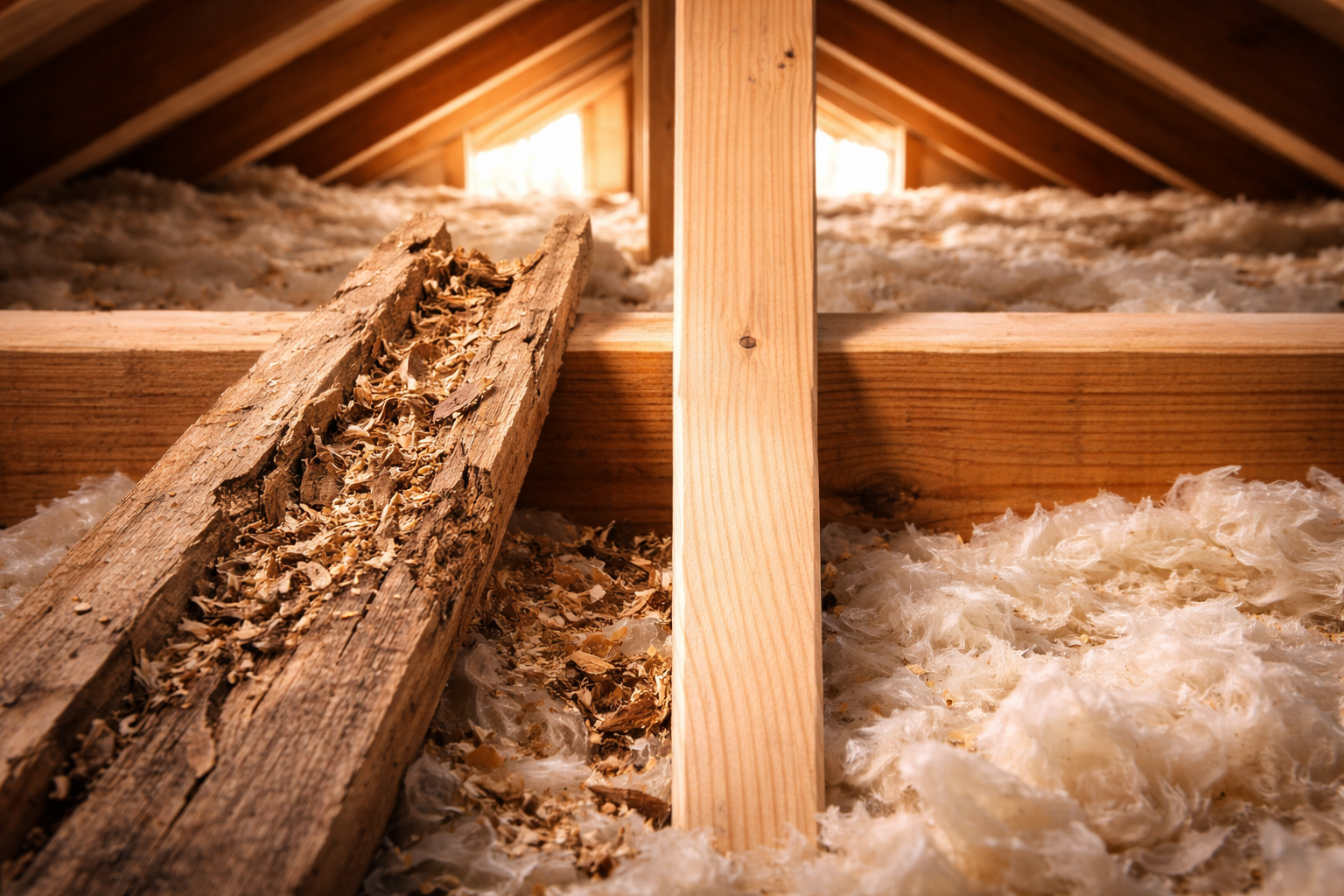
3. Carpenter Ant (Camponotus spp.)
Identification: Large (¼–½ inch), black or red and black combination.
Habitat: Nest inside damp, decaying wood—walls, attics, and decks.
Behavior: Do not eat wood, but tunnel through it, causing structural damage.
Why it matters: They’re the most destructive ant species in Southern California homes.
🟢 Control Tip: Address leaks and moisture damage. Professional treatment from Talos Pest Control may include both baiting and wood-injection methods.
4. Pharaoh Ant (Monomorium pharaonis)
Identification: Very small (1/16 inch), yellowish or light brown, nearly transparent.
Habitat: Indoors—especially in kitchens, hospitals, and apartment complexes.
Behavior: Builds colonies inside wall voids and under floors; highly adaptable.
Why it matters: Can contaminate food and medical equipment.
🟢 Control Tip: Spraying can worsen infestations—use baiting systems designed for multi-colony ants.
5. Southern Fire Ant (Solenopsis xyloni)
Identification: Reddish-brown body with darker abdomen, ⅛–¼ inch long.
Habitat: Prefers sunny areas—lawns, sidewalks, and garden beds.
Behavior: Aggressive, will sting repeatedly when disturbed.
Why it matters: Painful stings can cause allergic reactions; nests damage electrical fixtures and lawns.
🟢 Control Tip: Keep pets and children away; professional granular and barrier treatments are most effective.
6. Thief Ant (Solenopsis molesta)
Identification: Tiny (1/16 inch), pale yellow to light brown.
Habitat: Nests near kitchens and pantries; steals food and larvae from other ant colonies.
Behavior: Feeds on greasy or protein-rich foods.
Why it matters: Often confused with Pharaoh ants—can contaminate food storage areas.
🟢 Control Tip: Clean up crumbs, seal food, and use non-repellent baits to control hidden colonies.
7. Pavement Ant (Tetramorium immigrans)
Identification: Brown to black, with visible parallel lines on head and thorax.
Habitat: Common in cracks of sidewalks, driveways, and foundations.
Behavior: Enters homes through expansion joints and basement walls.
Why it matters: Forms large colonies and can nest under concrete slabs.
🟢 Control Tip: Seal foundation cracks and use professional-grade baits to reach underground nests.
8. Crazy Ant (Paratrechina longicornis)
Identification: Dark brown to black, long legs and antennae; erratic, fast movement.
Habitat: Indoors near moisture, electronics, or wiring.
Behavior: Moves rapidly and unpredictably, often nesting in walls or under appliances.
Why it matters: Known to cause short circuits in electrical systems.
🟢 Control Tip: Vacuum visible trails and contact a pest expert for targeted treatments—DIY sprays scatter colonies.
9. Velvety Tree Ant (Liometopum occidentale)
Identification: Black head and abdomen with reddish-brown thorax; emits a strong odor when crushed.
Habitat: Nests in tree hollows, stumps, and sometimes attic spaces.
Behavior: Often mistaken for carpenter ants; invades homes searching for sweets and moisture.
Why it matters: Their bites can be painful and they damage wood structures if left untreated.
🟢 Control Tip: Trim branches away from your home and remove dead trees or logs.
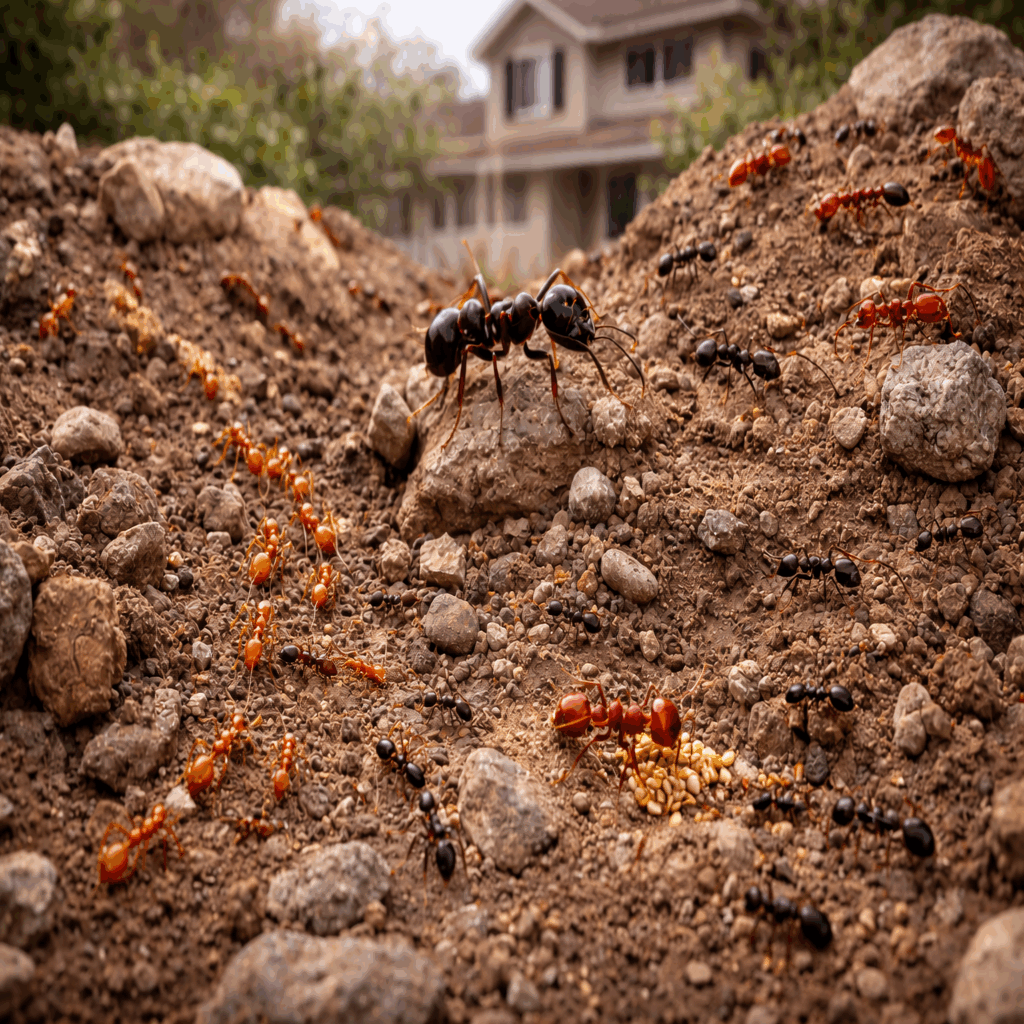
10. Harvester Ant (Pogonomyrmex spp.)
Identification: Reddish-orange, large (up to ½ inch), visible hairs under the head.
Habitat: Outdoor nests with visible mounds and cleared vegetation around the entrance.
Behavior: Rarely invade homes but can bite or sting if disturbed.
Why it matters: Their mounds damage lawns and landscaping; painful stings may cause allergic reactions.
🟢 Control Tip: Locate and treat mounds directly with professional granular applications.
When to Call a Professional
Because ants are highly adaptive and colony-oriented, eliminating them requires more than surface sprays. Ants can have multiple nesting sites, and killing visible workers rarely affects the queens.
At Talos Pest Control, we use a combination of:
- Targeted bait systems to eliminate colonies from the inside out.
- Barrier treatments to prevent future entry.
- Eco-friendly products safe for families and pets.
👉 Schedule your ant inspection today.
Stop the invasion before it becomes a colony-wide problem.