
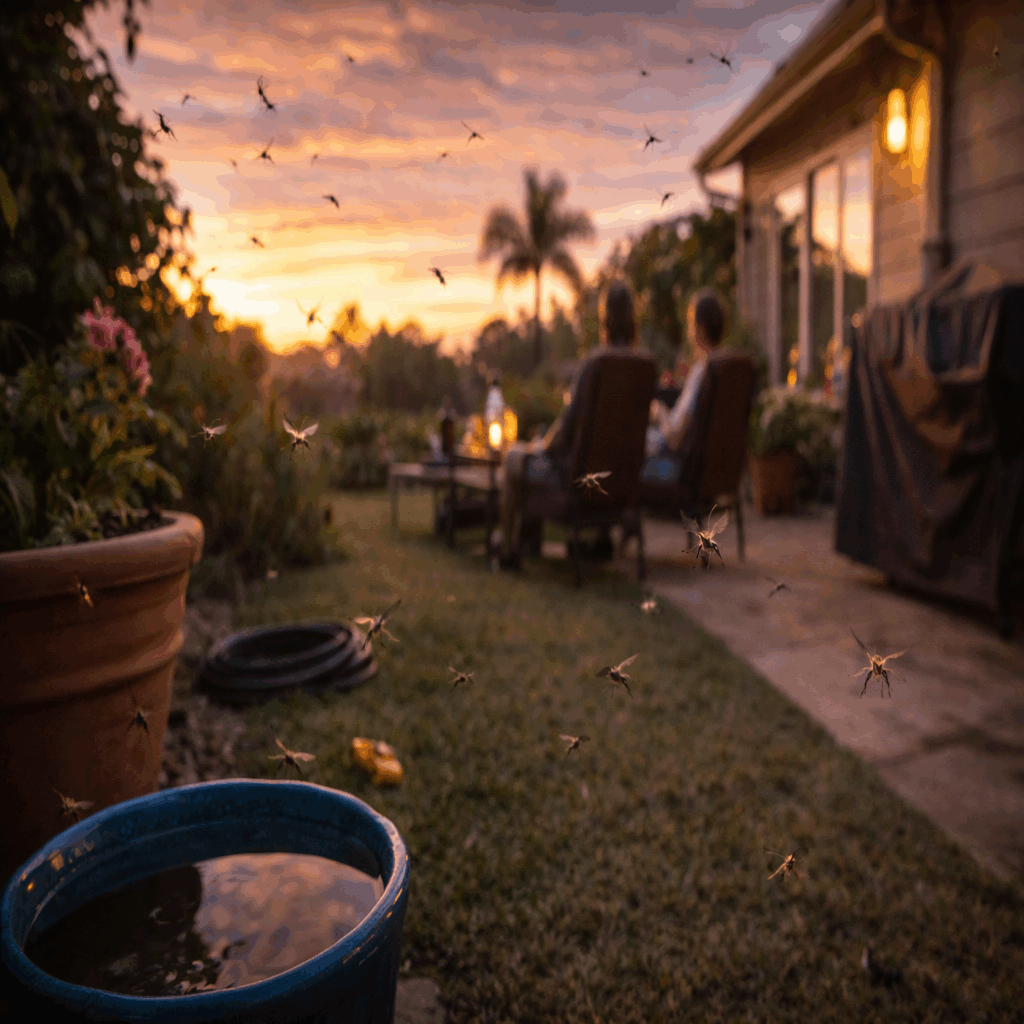
You step outside at sunset to enjoy the San Diego breeze, and within minutes you’re swatting at mosquitoes. Sound familiar?
Even though San Diego’s dry climate might seem mosquito-unfriendly, local backyards are ideal breeding and feeding grounds thanks to irrigation, mild evenings, and year-round warmth.
Talos Pest Control helps homeowners understand why mosquito activity feels worse here, and what simple steps can dramatically reduce it before sunset.
1. The San Diego Climate Creates the Perfect Mosquito Storm
Most people associate mosquitoes with tropical humidity—but San Diego’s microclimates offer enough warmth and moisture for them to thrive.
- Mild winters: Mosquitoes never fully die off; they overwinter in sheltered areas.
- Irrigation systems: Sprinklers and drip lines create constant damp spots.
- Coastal humidity: Even near the beach, evening moisture keeps breeding zones active.
Fun Fact: The Aedes aegypti mosquito, now common in Southern California, thrives in urban settings and can breed in as little as a bottle cap of water.
2. Dusk and Dawn: Mosquito Rush Hour
San Diego’s mosquitoes are most active during early morning and evening—when temperatures are moderate and winds are calm.
At sunset, several species—including Culex and Aedes mosquitoes—begin to swarm. They’re drawn to:
- Carbon dioxide from human breath.
- Body heat and sweat.
- Dark clothing and perfumes.
That’s why your backyard barbecue becomes their all-you-can-eat buffet.
What to do before sunset:
- Wear light-colored, long-sleeved clothing.
- Use a DEET, picaridin, or oil of lemon eucalyptus repellent.
- Turn on outdoor fans—mosquitoes avoid moving air.
3. Hidden Backyard Breeding Zones
Even if you don’t see standing water, mosquitoes may still be breeding nearby. Common culprits include:
- Clogged gutters or downspouts.
- Plant saucers and potted plants.
- Pet water bowls and birdbaths.
- Kiddie pools or neglected fountains.
- Buckets, toys, or grill covers that collect rain or sprinkler runoff.
Prevention checklist:
✅ Empty and scrub containers weekly.
✅ Clear gutters and drains.
✅ Treat ornamental ponds with larvicide tablets (safe for fish and pets).
✅ Keep your grass trimmed and hedges neat to eliminate shade zones.
4. Why They Bite More After Sunset
Mosquitoes rely on temperature and light cues to find hosts. As the sun sets, humidity rises and skin temperature stands out more against the cooler air. That’s when they zero in on humans.
San Diego’s coastal breeze offers little relief—mosquitoes can travel up to three miles from where they hatched. Once inside your yard, landscaping traps moisture and keeps them close.
What helps:
- Run fans or install misting systems in outdoor seating areas.
- Replace outdoor lights with yellow “bug lights” that attract fewer insects.
- Use mosquito-repelling plants like citronella, lavender, basil, and marigold near patios.
5. The Rise of Aedes Mosquitoes in Southern California
Since 2014, invasive Aedes aegypti and Aedes albopictus mosquitoes have become more common in San Diego County.
Unlike native species, they:
- Bite during the day and early evening, not just dawn or dusk.
- Prefer small urban water sources, like flowerpots and gutters.
- Can lay eggs that survive dry spells for months.
Their bites are itchier and more aggressive—and because these mosquitoes breed in yards, homeowners are often the first line of defense.
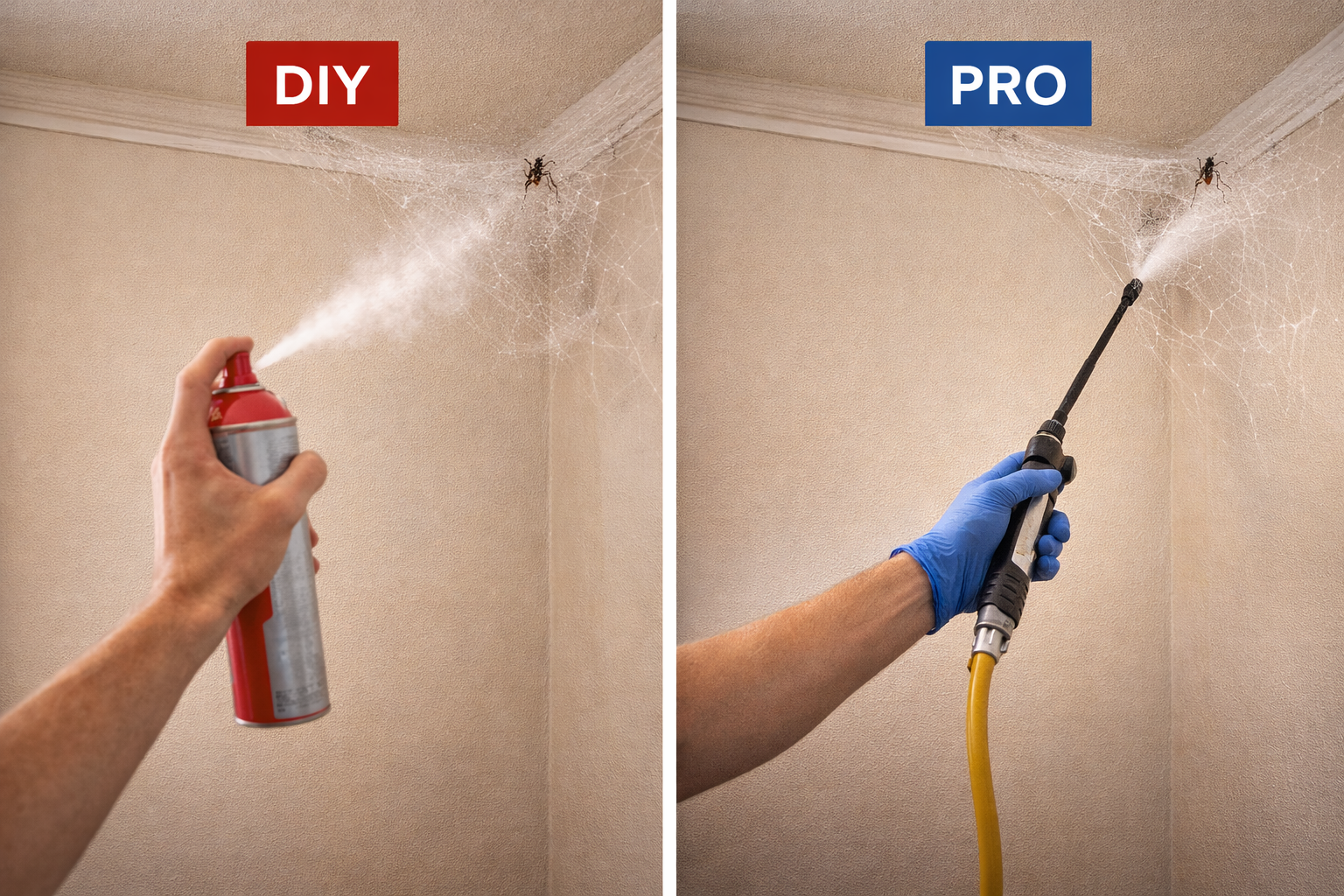
6. Why DIY Mosquito Solutions Often Fall Short
While citronella candles and essential oils may help temporarily, they don’t eliminate breeding zones or provide consistent coverage.
DIY foggers and store-bought sprays can:
- Miss larvae developing in hidden spots.
- Disrupt beneficial insect populations.
- Require frequent reapplication after rain or irrigation.
Professionals use targeted treatments that disrupt the mosquito life cycle at every stage—from larvae to adult—providing longer protection and less pesticide use overall.
7. Professional Mosquito Control in San Diego
At Talos Pest Control, we use a science-driven approach to eliminate mosquito populations safely and effectively:
✅ Source reduction: Identify and treat breeding areas you may not see.
✅ Eco-friendly treatments: Safe for kids, pets, and pollinators.
✅ Barrier sprays: Target resting areas like shrubs and fences for ongoing protection.
✅ Long-term maintenance plans: Keep mosquitoes away throughout the season.
Our local technicians understand San Diego’s unique conditions—from beach humidity to inland irrigation patterns—allowing for truly customized mosquito protection.
👉 Schedule your mosquito inspection today.
Get back to enjoying your evenings—without the bites.