
Why Mosquito Season Never Really Ends in Southern California
If you’ve lived in San Diego long enough, you know there’s no true “off-season” for pests, and mosquitoes are no exception. While other regions freeze them out in winter, Southern California’s warm coastal climate lets mosquitoes thrive nearly all year long.
At Talos Pest Control, we’ve seen firsthand how seasonal changes affect mosquito behavior. Understanding when and why mosquito populations spike helps you stay ahead of infestations before they ruin your evenings.
1. Understanding the Mosquito Life Cycle
Mosquitoes go through four stages — egg, larva, pupa, and adult — in as little as 5 to 7 days under warm conditions.
That means one small puddle of standing water can turn into hundreds of biting adults in under a week.
Because San Diego rarely experiences freezing temperatures, mosquito eggs and larvae survive year-round, making prevention a 12-month effort.
2. Spring (March–May): The Beginning of Mosquito Season
What Happens:
- As temperatures rise above 50°F, dormant eggs hatch.
- Spring rain and irrigation systems create fresh breeding sites.
- Adult mosquitoes emerge, often unnoticed at first.
What to Do:
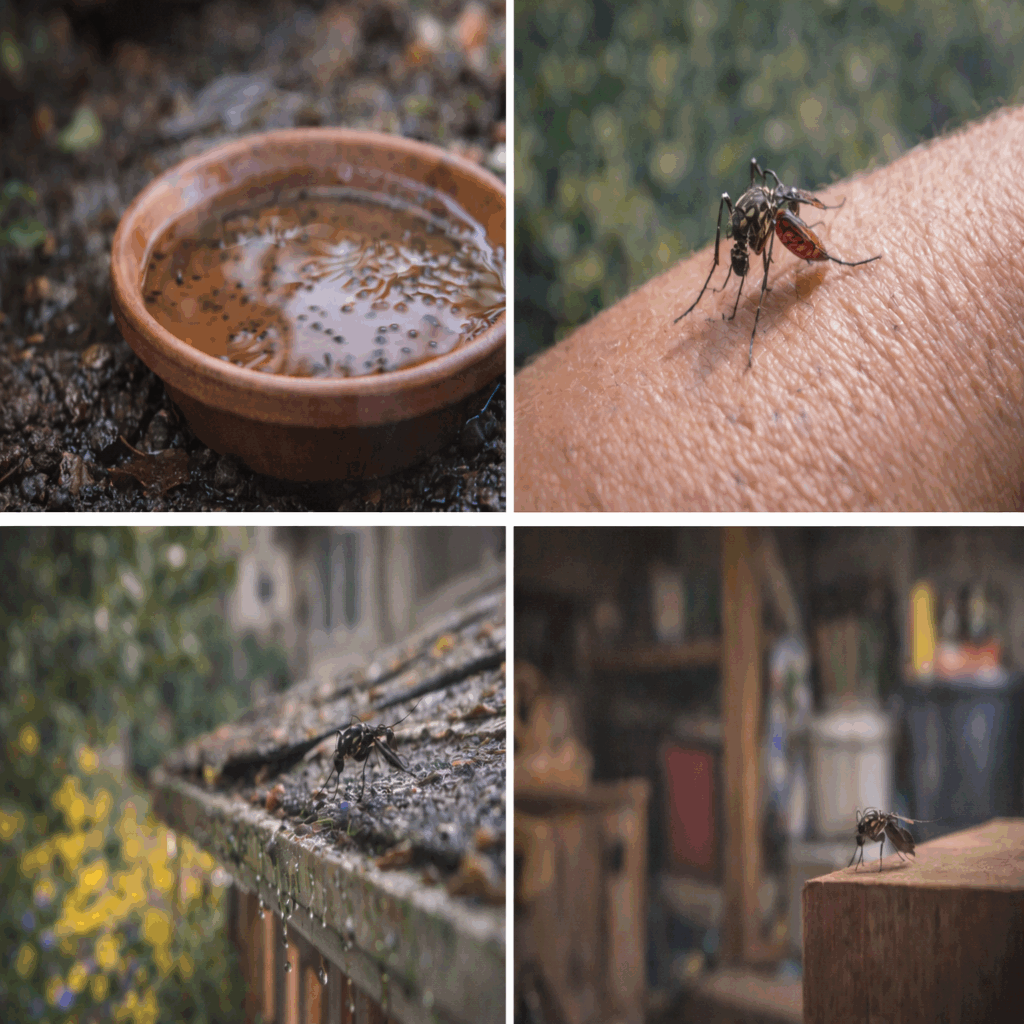
✅ Empty flowerpot saucers, gutters, and toys after rain.
✅ Trim grass and shrubs where adult mosquitoes rest.
✅ Schedule a spring mosquito inspection before populations explode.
Pro Tip: Early prevention in spring keeps summer populations from overwhelming your backyard later.
3. Summer (June–August): Peak Mosquito Activity
What Happens:
- Longer days and higher humidity drive rapid breeding.
- Backyard irrigation, birdbaths, and pools attract mosquitoes.
- Species like Aedes aegypti (the aggressive day-biter) become dominant.
What You’ll Notice:
- More bites at dusk or even during the day.
- Increased activity around standing water and patios.
- Persistent buzzing near windows or shaded areas.
What to Do:
✅ Run fans on patios to deter flying insects.
✅ Replace outdoor lights with yellow “bug bulbs.”
✅ Contact Talos Pest Control for barrier treatments that protect your yard through the hottest months.
4. Fall (September–November): The Second Surge
What Happens:
- Warm days and cooler nights create prime breeding conditions.
- Moisture from morning dew and irrigation sustains larvae.
- Mosquitoes seek shelter indoors or near warm walls and attics.
What to Do:
✅ Inspect and clean roof gutters before winter rain.
✅ Keep doors and windows sealed tightly.
✅ Maintain professional treatments through fall to stop late-season outbreaks.
Did you know? San Diego often sees its worst mosquito activity in late summer and early fall, not midsummer — because humidity remains high but winds calm down.
5. Winter (December–February): The Quiet Period — But Not Gone
What Happens:
- Cooler temperatures slow breeding, but mosquitoes don’t die off.
- Eggs can survive months in dry conditions, waiting for water.
- Heated homes and garages become safe havens for overwintering adults.
What to Do:
✅ Continue removing standing water — even small puddles.
✅ Check outdoor drains, buckets, and tarps after winter rain.
✅ Consider year-round mosquito monitoring if you live near coastal or irrigated areas.
6. Why Southern California Mosquitoes Are So Persistent
San Diego’s unique climate keeps mosquitoes active nearly every week of the year. Factors include:
- 🌴 Warm coastal air: Minimal temperature drops mean eggs rarely die.
- 💧 Urban irrigation: Sprinklers and lawns provide constant moisture.
- 🏡 Dense neighborhoods: Close proximity means mosquitoes move easily from yard to yard.
- 🦟 Invasive species: The Aedes aegypti and Aedes albopictus species are now established throughout Southern California.
Without professional intervention, mosquito populations can rebound just days after DIY treatments fade.
7. Year-Round Mosquito Protection Strategies
| Season | Common Mosquito Behaviors | Your Best Prevention Steps |
| Spring | Eggs hatch in new rainfall | Drain and dry all water containers weekly |
| Summer | Rapid breeding and heavy bites | Schedule professional treatments and use repellents |
| Fall | Late-season surge | Maintain barriers and seal entry points |
| Winter | Dormant eggs awaiting warmth | Inspect gutters and remove standing water |
8. The Talos Pest Control Difference
We understand that San Diego’s mosquito problem is more than seasonal—it’s environmental. That’s why our treatments focus on sustainable, eco-friendly protection that adapts to changing weather patterns.
Our mosquito control plans include:
- Comprehensive inspection to locate hidden breeding areas.
- Larval and barrier treatments for lasting protection.
- Pet- and child-safe products for year-round use.
- Seasonal maintenance visits timed to San Diego’s climate cycles.