Moth control tailored to your home.
Our approach to moth control focuses on precision-targeted solutions that identify whether you face pantry or fabric moths, evaluate the source, and recommend the treatment your San Diego home deserves.
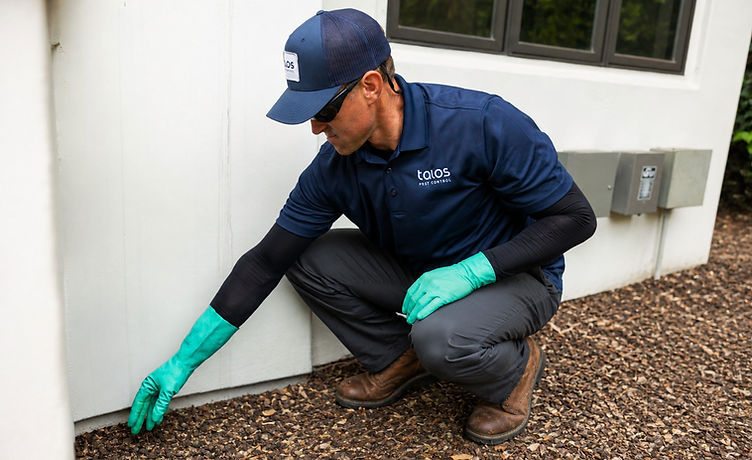
Inspect to identify pantry or fabric moths and the source
We determine whether you’re dealing with pantry or fabric moths and trace activity back to the source — infested food, stored clothing, or entry. Getting this right is the difference between control and reinfestation.
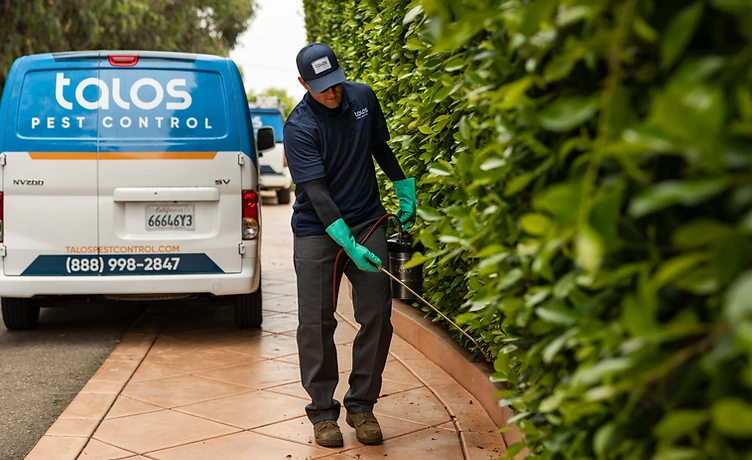
Targeted treatment paired with source removal
We treat active areas and recommend thorough source removal — discarding infested goods, deep cleaning, and proper storage — plus exclusion changes so moths can’t re-establish.
It’s the moth larvae that cause the damage — adult clothes and pantry moths themselves don’t eat your food or fabrics at all.
Get a quote →Our moth control process
Inspect
Evaluate moths, likely nest or harborage locations, entry points, moisture, food sources, landscaping, and previous treatment attempts.
Identify
Assess the moth type and activity pattern so the treatment strategy matches the likely species and behavior.
Treat
Apply the right combination of baits, non-repellent materials, residual applications, targeted treatments, and interior or exterior service.
Prevent & Follow Up
Provide sanitation, moisture, landscaping, and entry-point recommendations, then complete covered follow-up service per your plan.
Signs of a moth problem
Moth problems fall into two camps — pantry pests and fabric pests — and the right treatment depends on which.
Schedule An InspectionSmall moths fluttering in kitchens, pantries, or near food
Webbing, larvae, or cocoons in food packages or on pantry shelves
Holes or thinning in wool, silk, fur, rugs, or stored fabrics
Larvae or casings in closets, drawers, or garment storage
Moths clustering around exterior lights and open doors at night
Activity returning after discarding visible food or fabrics


If moths come back, so do we
Talos stands behind our moth service. If activity continues between scheduled visits, our technicians will return at no additional cost to reassess and treat the area.
Get StartedUnderstanding & preventing moth infestations
Knowing why moths are drawn indoors is the first step to keeping them out. Below, the conditions that invite activity — and the steps that help prevent it.
The conditions that draw moths indoors
Stored food
Indian meal moths infest grains, cereals, nuts, dried fruit, pet food, and baking goods.
Fabrics & closets
Webbing and casemaking clothes moths feed on wool, silk, fur, and other animal fibers.
Entry points
Gaps, open doors, and infested groceries or secondhand goods bring moths indoors.
Humidity
Damp, poorly ventilated closets and pantries support moth development.
Landscaping & light
Outdoor moths fly to exterior lights and occasionally wander indoors.
Seasonal spikes
Warm months bring pantry moth activity and outdoor moth pressure.
How to help prevent moth activity
Store pantry foods in sealed containers and inspect new groceries for webbing or larvae.
Clean pantry shelves thoroughly and discard infested goods promptly.
Keep wool, silk, and fur clean and stored in sealed containers or garment bags.
Vacuum closets and storage regularly to remove eggs and larvae.
Improve ventilation and reduce humidity in closets and pantries.
Switch exterior lights to warm/yellow bulbs to reduce night-time moths.
Serving San Diego County
Active across San Diego County — coastal communities, inland neighborhoods, North County, East County, and South Bay.
What San Diego homeowners say about our moth control
“Best pest control in San Diego.”
“My technician, Antonio, was wonderful! He was professional, thorough, and kind. I had many questions, and he took time to respond to them. I highly recommend Talos Pest Control!”
“Talos is the best! Always on time, communicate what is going on, friendly and great value. Highly recommend!”
Questions, answered
The two indoor troublemakers are Indian meal moths (pantry) and clothes moths (webbing or casemaking). Outdoor moths fly to lights but rarely reproduce indoors. Identification drives the right treatment.
Often through infested groceries — grains, cereals, pet food, or dried fruit — or through gaps and open doors. Inspect packaging for webbing or larvae before storing new food.
They feed only on animal fibers — wool, silk, fur, feathers, and some blends. Keeping these items clean and sealed prevents problems.
We identify whether you have pantry or fabric moths, locate the source, and treat active areas while recommending source removal, deep cleaning, and storage changes that prevent return.
Take back your home with a pest control plan built around you.
Talos has pest control experts throughout San Diego County. Get a personalized quote and a tailored plan built around your home.
Related pest control resources
Why Pests Invade Homes in San Diego
Learn how infestations happen and how to stop them.
Read Article →Service PlansGeneral Pest Control Plans
One-time and recurring pest control options for different needs.
View Plans →CoverageSan Diego Pest Control Service Areas
Coastal, inland, North County, East County, and South Bay.
Our Service Areas →