Scorpion control tailored to your home.
Our approach to scorpion control focuses on precision-targeted solutions that identify harborage and entry points, evaluate the conditions drawing scorpions indoors, and recommend treatment your San Diego home deserves.
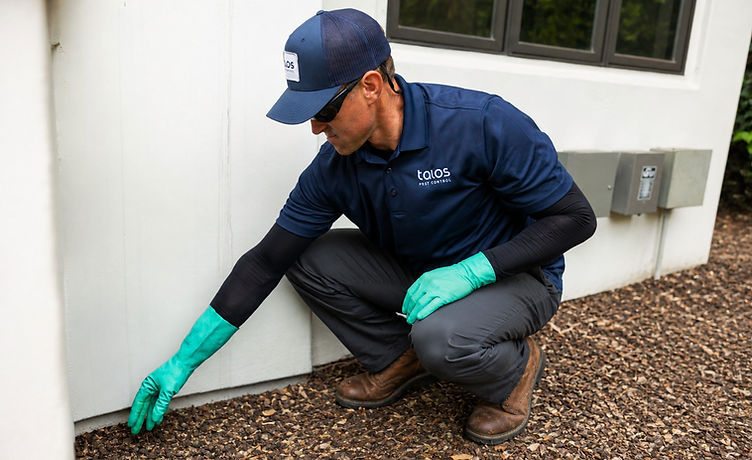
Inspect to find where scorpions harbor and enter
We inspect the home and perimeter to locate harborage, entry points, moisture sources, and the insect activity that draws scorpions in. Rock walls, weep holes, door gaps, and irrigation are common contributors we evaluate.
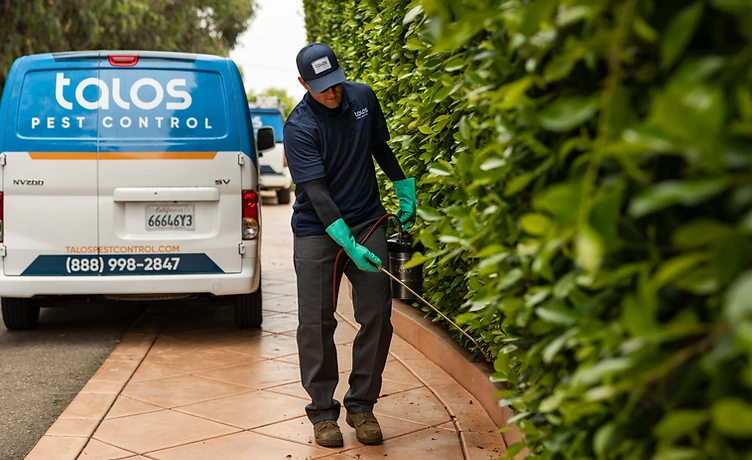
Targeted treatment and exclusion for lasting control
Based on findings, we treat active harborage and entry zones and recommend exclusion steps — sealing gaps, reducing harborage, and adjusting conditions — so fewer scorpions can reach or enter the home.
Scorpions glow under ultraviolet light — a blacklight can reveal them hiding on walls or in the yard, making night inspections surprisingly effective.
Get a quote →Our scorpion control process
Inspect
Evaluate scorpions, likely nest or harborage locations, entry points, moisture, food sources, landscaping, and previous treatment attempts.
Identify
Assess the scorpion type and activity pattern so the treatment strategy matches the likely species and behavior.
Treat
Apply the right combination of baits, non-repellent materials, residual applications, targeted treatments, and interior or exterior service.
Prevent & Follow Up
Provide sanitation, moisture, landscaping, and entry-point recommendations, then complete covered follow-up service per your plan.
Signs of a scorpion problem
Scorpions hide during the day and hunt at night, so spotting one indoors is usually a sign others may be nearby.
Schedule An InspectionScorpions seen indoors, especially at night along walls and baseboards
Activity near door thresholds, weep holes, or foundation gaps
Scorpions around rock walls, firewood, or exterior debris
An increase in the insects scorpions feed on (ants, crickets, roaches)
Shed exoskeletons in corners or storage areas
Glowing scorpions revealed around the property under a UV light at night


If scorpions come back, so do we
Talos stands behind our scorpion service. Should scorpion activity persist between scheduled visits, our experienced technicians will return at no additional cost to reassess and treat the area.
Get StartedUnderstanding & preventing scorpion infestations
Knowing why scorpions are drawn indoors is the first step to keeping them out. Below, the conditions that invite activity — and the steps that help prevent it.
The conditions that draw scorpions indoors
Other pests
Scorpions feed on insects — ants, crickets, roaches, and spiders. A thriving insect population invites scorpions to follow.
Entry points
Scorpions flatten to slip through tiny gaps under doors, around windows, vents, weep holes, and foundation cracks.
Harborage
Rock piles, firewood, lumber, brick, debris, and dense ground cover provide ideal daytime hiding spots.
Moisture
Scorpions need water — irrigation, leaks, and damp areas near the home sustain both scorpions and their prey.
Nighttime activity
Scorpions are nocturnal and often enter homes under doors or through weep holes while hunting at night.
Weather & seasonal
Extreme heat or heavy rain can drive scorpions indoors seeking shelter and stable conditions.
How to help prevent scorpion activity
Move firewood, lumber, and rock piles away from the home and keep them elevated.
Trim vegetation and remove dense ground cover near the foundation.
Seal gaps under doors, around windows, vents, and foundation cracks; install door sweeps.
Check weep holes and screens; consider mesh where appropriate.
Reduce exterior lighting that attracts insects at night.
Fix irrigation and plumbing leaks to reduce moisture and prey near the home.
Serving San Diego County
Active across San Diego County — coastal communities, inland neighborhoods, North County, East County, and South Bay.
What San Diego homeowners say about our scorpion control
“Best pest control in San Diego.”
“My technician, Antonio, was wonderful! He was professional, thorough, and kind. I had many questions, and he took time to respond to them. I highly recommend Talos Pest Control!”
“Talos is the best! Always on time, communicate what is going on, friendly and great value. Highly recommend!”
Questions, answered
San Diego’s most common species is the striped-tail scorpion, which has a mild sting similar to a bee. The Arizona bark scorpion — more venomous — is rare but occasionally found. A professional inspection can identify the species on your property.
Most San Diego scorpion stings are painful but not life-threatening for healthy adults, resembling a bee sting. Seek medical attention for severe reactions, stings to children or pets, or if you suspect a bark scorpion.
Scorpions enter pursuing prey, moisture, or shelter — often at night through door gaps, weep holes, and foundation cracks. Reducing insects, moisture, and harborage near the home lowers the chance of entry.
We inspect harborage, entry points, and the insect activity attracting them, then treat active areas and recommend exclusion and habitat changes. Ongoing service helps reduce the insects scorpions feed on and keeps the perimeter protected.
Take back your home with a pest control plan built around you.
Talos has pest control experts throughout San Diego County. Get a personalized quote and a tailored plan built around your home.
Related pest control resources
Why Pests Invade Homes in San Diego
Learn how infestations happen and how to stop them.
Read Article →Service PlansGeneral Pest Control Plans
One-time and recurring pest control options for different needs.
View Plans →CoverageSan Diego Pest Control Service Areas
Coastal, inland, North County, East County, and South Bay.
Our Service Areas →